Why Are Delaware Courts So Important to American Business?
- Preston Valenzuela

- Jun 12
- 6 min read
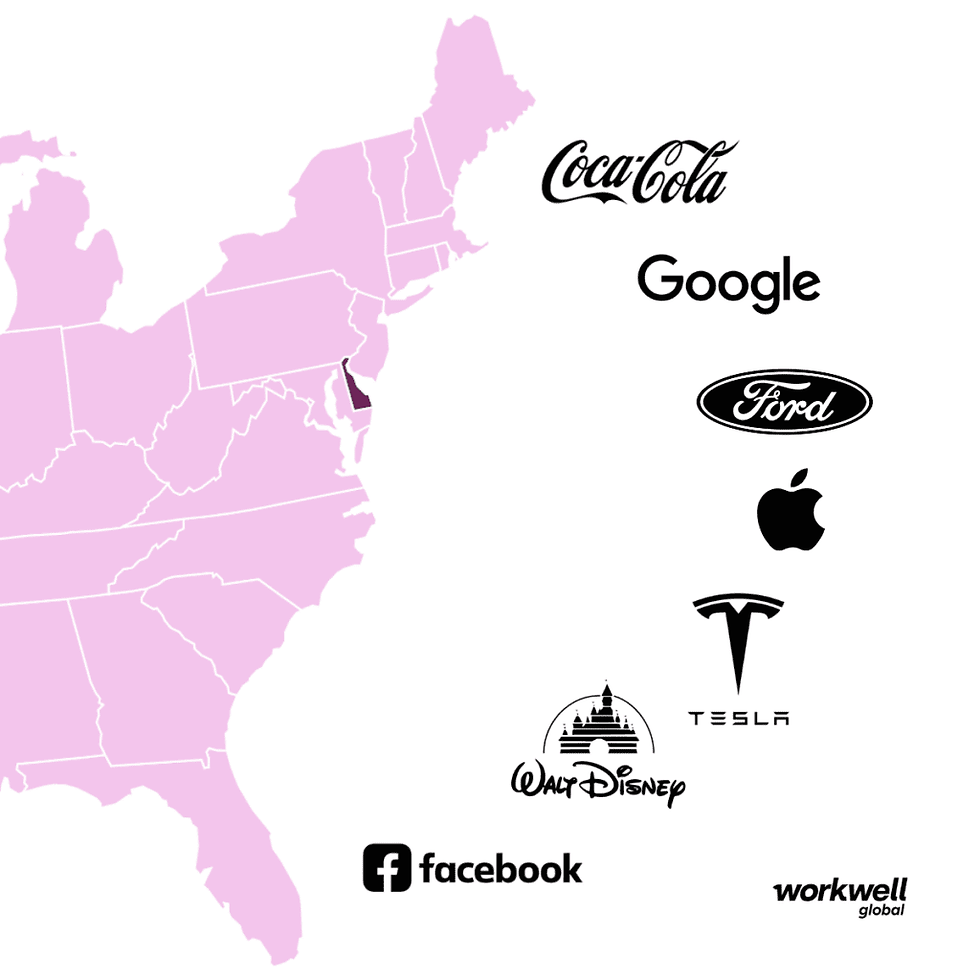
Introduction Not surprisingly, few U.S. residents have visited Delaware. This state ranks among the nation’s smallest, hosting barely more than a million inhabitants. Still, in spite of limited area, it serves as the official base for countless American corporations.Over sixty percent of Fortune 500 businesses call Delaware their official base. Despite minimal operations there, large organizations, from tech startups to banks, opt for its jurisdiction. Where actual activity occurs matters less than legal structure. Though distant from daily work, the state remains a common choice. Location on paper often differs from where services happen. This brings up a key point: For numerous firms, location stems less from trend than strategic legal structure. Decisions rest on long-standing judicial frameworks shaping business governance. Rules evolve through consistent court interpretation, not legislative shifts alone. Stability attracts incorporation regardless of operational base. Precedent carries weight across U.S. states despite geographic distance. Influence spreads via reliance by attorneys drafting foundational documents. Courts specialize, allowing nuanced resolution without broader political influence. Legal predictability often outweighs tax considerations in entity formation. A shift unfolded quietly, yet its effects echoed nationally. That transformation began without fanfare, through steady choices over time. Importance grew not by force, but by consistency in practice. Influence spread as others turned there by necessity, then habit. Recognition followed slowly, almost unnoticed. What emerged was neither sudden nor accidental.
The Basics of Starting a Corporation Should incorporation occur, selection of a state follows as part of the process. A business does not exist legally until jurisdiction is established through filing. One cannot operate under corporate status without this step being completed first. Location choice affects rules that will apply later on.Where a company is incorporated shapes numerous laws that apply to it. Its formation location influences regulations on operations. Jurisdiction affects governance standards significantly. Legal obligations often depend upon incorporation site. Rules about structure follow from where registration occurs.
Shareholder rights
Director responsibilities
Corporate governance procedures
Merger approvals
Fiduciary duties
Even when firms work across the country, rules from the state where they are formed usually apply to conflicts within the company.So it goes, the location for incorporation ranks among the key legal choices any company will face.
Why Delaware? Delaware's dominance did not happen by accident. For years on end, government leaders shaped laws aimed at handling business conflicts with both speed and consistency. While large companies grew, rules adapted so outcomes felt less uncertain. Because commerce demanded reliability, procedures evolved into a structured framework. Where disagreements arose between firms, solutions emerged through established methods. Over time, these approaches became standard practice across commercial cases. The main element within this structure goes by the name of the Delaware Court of Chancery.What sets the Court of Chancery apart is its exclusive attention to commercial disagreements without jury involvement. Oversight falls entirely to jurists deeply familiar with company regulations. Matters such as takeovers, ownership claims, board-level tensions, and integration issues come before these specialists. While typical trial venues rely on citizen panels, here legal interpretation rests solely with trained individuals. Given its frequent involvement in such conflicts, a substantial collection of prior rulings now supports companies and lawyers navigating similar cases. Yet clarity emerges slowly, shaped by repeated judicial review over time. Still, patterns form through consistent application across many years. Even small variations in facts lead to careful distinctions drawn by judges. From repetition comes predictability, which guides future decisions. Though each case differs slightly, earlier outcomes often signal likely results. Over time, reliance on past judgments becomes common practice. Should results be consistent, many executives place equal weight on them as on positive ones. When stability appears, it gains worth alongside success in boardroom views. Predictable patterns earn regard matching that of advantageous conclusions among decision makers. Equal value emerges when regularity joins profitable ends in leadership thinking.
The Role of Big Law Delaware's importance extends far beyond the state itself.Should large legal practices guide businesses through mergers, takeovers, shareholder activism, or leadership conflicts, attention often turns to Delaware statutes. Though corporate strategy shifts across markets, jurisdictional preferences remain anchored there. Where complex transactions unfold, precedent rooted in that state's rulings tends to shape outcomes. Even amid evolving regulations elsewhere, reliance on its judicial framework persists. Because established norms influence decision-making, many turn to this system by default. While alternatives exist, familiarity steers widespread adherence. Across the U.S., major business deals often rest upon Delaware court rulings about what leaders must do and what owners are entitled to. While legal clarity emerges case by case, expectations shift under evolving precedents. Where governance questions arise, outcomes hinge less on policy than judicial reasoning. Though other states have similar laws, influence flows outward from decisions made in Wilmington and Dover. Because precedent holds strong sway, even distant negotiations feel the weight of local judgments. When disputes reach trial, interpretations shape more than immediate results, they redefine boundaries. Over time, patterns form not through legislation but repeated courtroom conclusions. Consequently, lawyers within large practices dedicate significant effort to reviewing rulings from Delaware, then guiding clients on what those outcomes may mean. Though focused, such work shapes much of how corporate matters are handled elsewhere. Because of this, knowledge of Delaware's rules on companies tends to matter greatly among legal professionals working in takeovers, board oversight, or financial regulations, especially when precedents shape national standards.
The Debate Some question whether Delaware’s leading position brings real advantage.Some suggest state policies shift under pressure to draw company registrations through fee income. From this angle, Delaware might shape regulations in ways that favor leadership more than owners. A tilt toward boards could emerge where legal frameworks adapt to managerial preference. With revenue at stake, statutes may reflect less concern for investor rights. One outcome, rules aligning closely with executive interest, seems plausible. Where financial incentive exists, lawmaking can quietly serve those in charge. Supporters disagree. It is claimed that Delaware thrives due to a judicial environment seen as consistent, advanced, reliable, qualities valued by both companies and financiers. Far from sparking a downward competition, backers suggest the state has built rules fostering steady development and financial expansion. Still unresolved, the issue holds a central place in today's business legal frameworks. Whether it will settle soon seems uncertain, yet its weight persists across discussions. A key matter, it shapes how companies are governed now. Not easily dismissed, its influence runs deep in current rulings. This topic continues to define major points in corporate regulation.
Why It Matters Should one look quickly, rules about companies in Delaware might seem meant just for legal experts or business leaders. Actually, laws that regulate companies shape life for countless workers, shareholders, buyers, and people living on pensions. Should judges outline director conduct in mergers, firms may shift their approach to shareholder demands. Rulings on board decision-making often ripple through industries nationwide. As legal standards evolve, so too do patterns in corporate behavior. Through court interpretations, company practices quietly adjust. With each judgment, broader business norms gradually reshape. For this reason, grasping Delaware’s function reveals aspects of corporate governance in the United States along with patterns in key business choices. Yet it is through such a lens that structural influences emerge clearly across company leadership practices.
Conclusion Delaware's influence demonstrates how legal institutions can shape entire industries. Home to finely tuned corporate laws, a legacy of detailed rulings, yet court systems built for complexity, the state draws countless major U.S. firms seeking stable ground. Despite ongoing discussions about Delaware’s leading role, a simple truth emerges early: insight into today’s corporate legal framework tends to start there. While some question its position, few dispute that clarity in business law frequently traces back to this state. Even critics admit the influence persists across jurisdictions. Where others hesitate, precedent moves forward shaped by rulings made within small-town courthouses. Though alternatives exist, they rarely match the depth of established interpretation found along the East Coast. From boardroom disputes to shareholder rights, outcomes hinge on doctrines refined over decades in Delaware courts.Surprisingly, among U.S. states shaping corporate legal rules, Delaware holds a position few expect. Not New York, nor California, nor even Texas claims such influence, this small state does. Its courts handle vast numbers of company disputes. Business statutes there have evolved over decades. Firms often choose its jurisdiction willingly. The outcome? Legal precedents set in Dover affect enterprises nationwide.



Comments